
Strategy and Team Development for Ensembles & Chamber Groups
Create a shared direction and a sustainable way of working together
Strategy, facilitated team development and consultancy for chamber groups and ensembles.
An ensemble is both an artistic partnership and a small organization. Alongside rehearsing and performing, you make decisions about repertoire, projects, schedules, finances, communication, audience development and the future of the group. Each member is often balancing this work with an individual career and personal life.
I help ensembles create the time and structure needed to discuss these questions openly, make shared decisions and develop practical ways of working that support both their artistic ambitions and the people behind them.
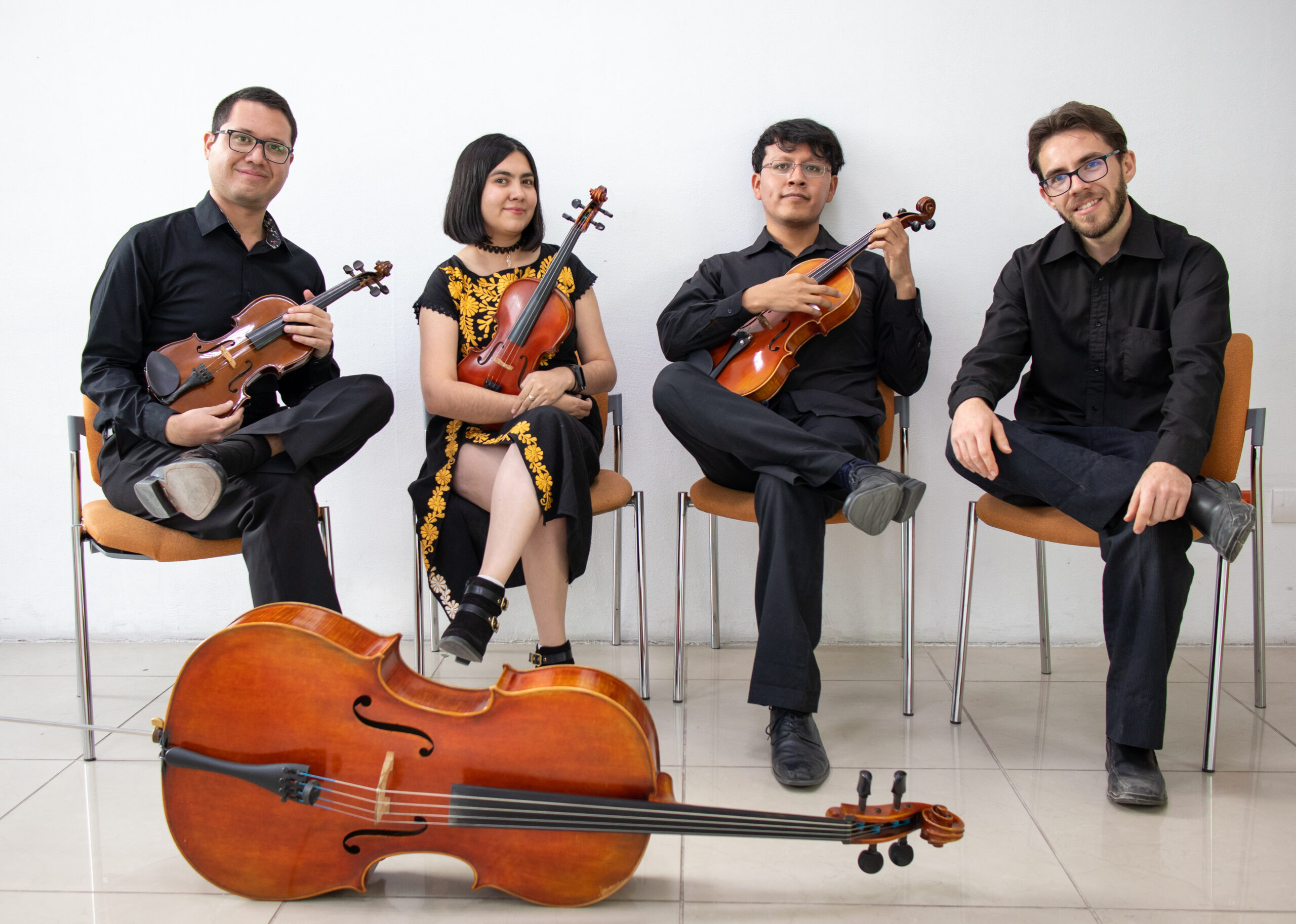
When an ensemble needs space to think
Many ensembles and chamber groups develop their working methods informally. This may work for years, until the group grows, priorities change, workloads increase or the same questions begin to return without clear decisions.
You may be asking:
- Do we have a shared vision for the future?
- How can we distribute responsibilities more fairly and make better use of each member’s strengths?
- Who should decide what, and how can we make decisions more efficiently?
- How can we address disagreements before they affect rehearsals, performances or relationships?
- How can we pursue professional growth while protecting our energy and the quality of our collaboration?
- What structures would help us manage projects, communication and planning more effectively?
A structured process gives every member space to reflect and helps the ensemble turn conversations into decisions, agreements and realistic next steps.
A confidential and practical process
Inviting an outside person into an ensemble’s internal world requires trust. I begin by listening carefully to how each member experiences the group, what they value and what they hope will change.
When confidential surveys or individual interviews form part of the process, individual comments are not repeated or attributed during the team sessions. I use the themes that emerge to create an agenda grounded in the ensemble’s actual needs.
During our shared work, every member has space to contribute. I help the group explore different perspectives, move through difficult questions and turn discussion into decisions. The process may produce a shared vision, a role and task map, a decision-making method, a planning rhythm, a working agreement or another tool tailored to the ensemble.
Follow-up sessions allow the group to test these agreements in real life, review what is working and make adjustments.
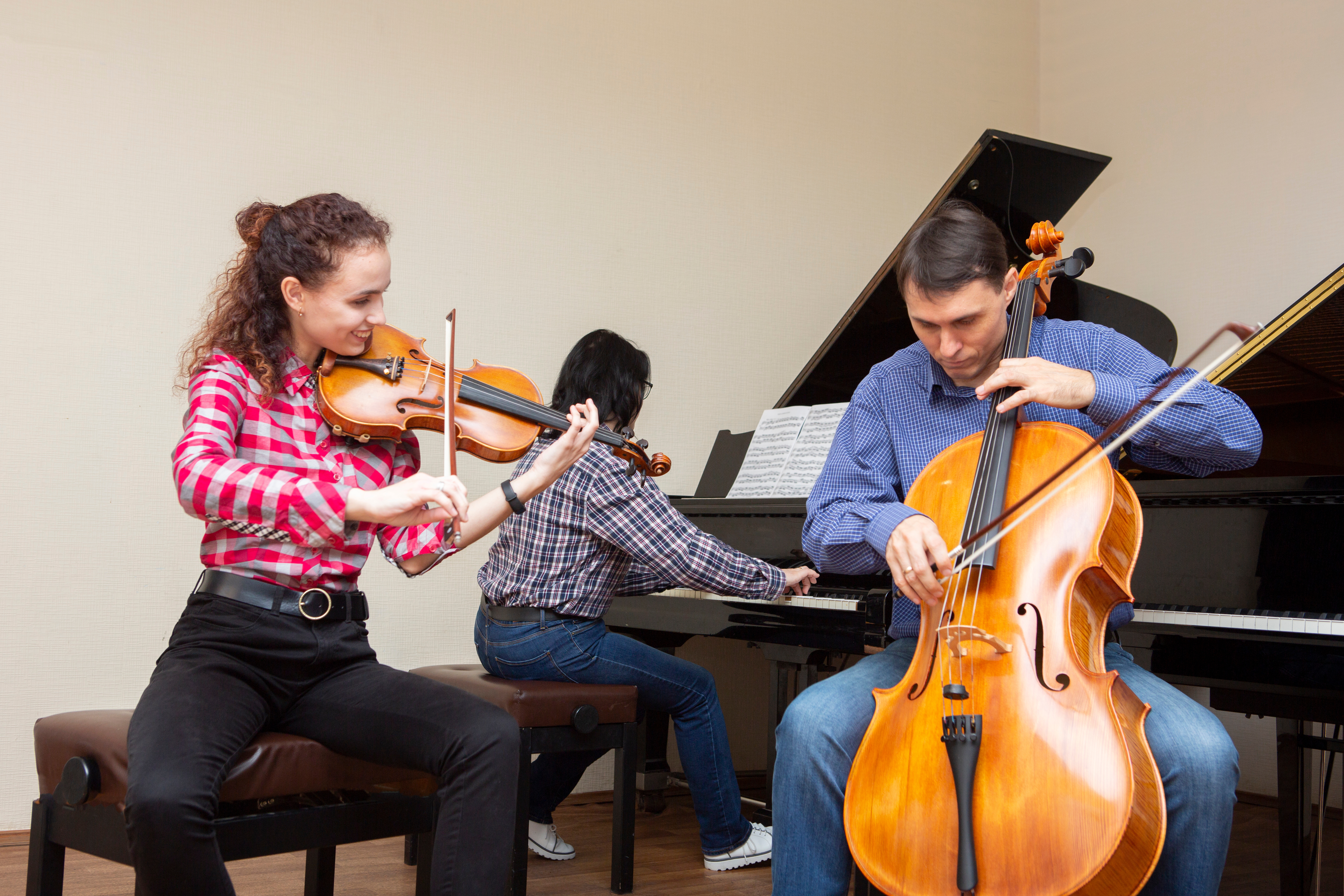
Areas we can work on
Our work may include:
- artistic identity and long-term direction;
- strategic goals and priorities;
- roles, responsibilities and invisible work;
- communication, feedback and difficult conversations;
- decision-making and project ownership;
- rehearsal, meeting and administrative structures;
- annual, seasonal and project planning;
- workload, boundaries, rest and sustainable working practices;
- management, partnerships and audience development; and
- implementation, review and accountability.
You do not need to address everything at once. We identify the questions that matter most now and design the process around them.
How I can support your ensemble or chamber group
Every collaboration is designed around the ensemble’s history, current situation and ambitions. Depending on what you need, I combine coaching, facilitation and strategic consultancy. Some questions need space for the group to find its own answer. Others benefit from an outside perspective, a practical framework or a clear recommendation.
These are three possible ways to work together.

Comprehensive Ensemble Strategy and Growth Process
This is designed for ensembles that want to examine both their long-term direction and the way they work together.
A tailored process may include:
- a confidential individual questionnaire;
- individual interviews with each ensemble member;
- one or two facilitated team strategy days;
- a written strategy report and recommendations;
- practical tools such as a working agreement, role map, decision-making framework or annual planning structure; and
- follow-up sessions to support implementation and adjust the agreements where necessary.
The process can address artistic direction, organizational development, team dynamics and the sustainability of the ensemble’s work as one connected whole.

Focused Team Strategy Day
A facilitated team day gives the ensemble protected time to work on a particular question or period of transition.
Possible areas of focus include:
- defining a shared artistic vision;
- setting priorities for the next season or development period;
- redistributing roles and responsibilities;
- improving communication and decision-making;
- preparing for organizational or artistic growth;
- addressing recurring tensions or workload concerns; and
- creating an action plan with clear responsibilities and deadlines.
The agenda is developed in advance based on the ensemble’s needs. The day concludes with documented decisions and concrete next steps.

Ongoing Strategic Consultancy
Regular consultancy sessions provide an outside perspective as the ensemble develops projects, implements its strategy or adapts to new circumstances.
We might work together on annual planning, project development, management structures, roles, partnerships, audience development or difficult strategic decisions. These sessions can also provide accountability and help the ensemble maintain progress between major planning meetings.
The appropriate format and fee are discussed during the introductory call. We review progress throughout the process and adjust the scope when necessary.
They worked with me
Let’s discuss your ensemble
You do not need to arrive with a fully defined brief. In a free 20-minute online consultation, you can tell me where your ensemble is now, what questions you are facing and what you would like to develop.
Together, we can identify whether a focused team day, a comprehensive strategy process or an ongoing partnership would be the most useful starting point.
hello@ebodnar.com
Follow
Monthly postcards
Inspiring stories, life and work design tips, book recommendations and so on – right in your inbox.